

Coming Off the Pill: What to Expect & How to Support Your Body Naturally
If you’re thinking about coming off the birth control pill, you’re not alone. More women are choosing to reconnect with their natural cycle, but many are left wondering:
What actually happens after you stop the pill?
This blog post will walk you through what to expect, common symptoms, and how to support your body so you can transition with confidence.

What Happens When You Come Off the Pill?
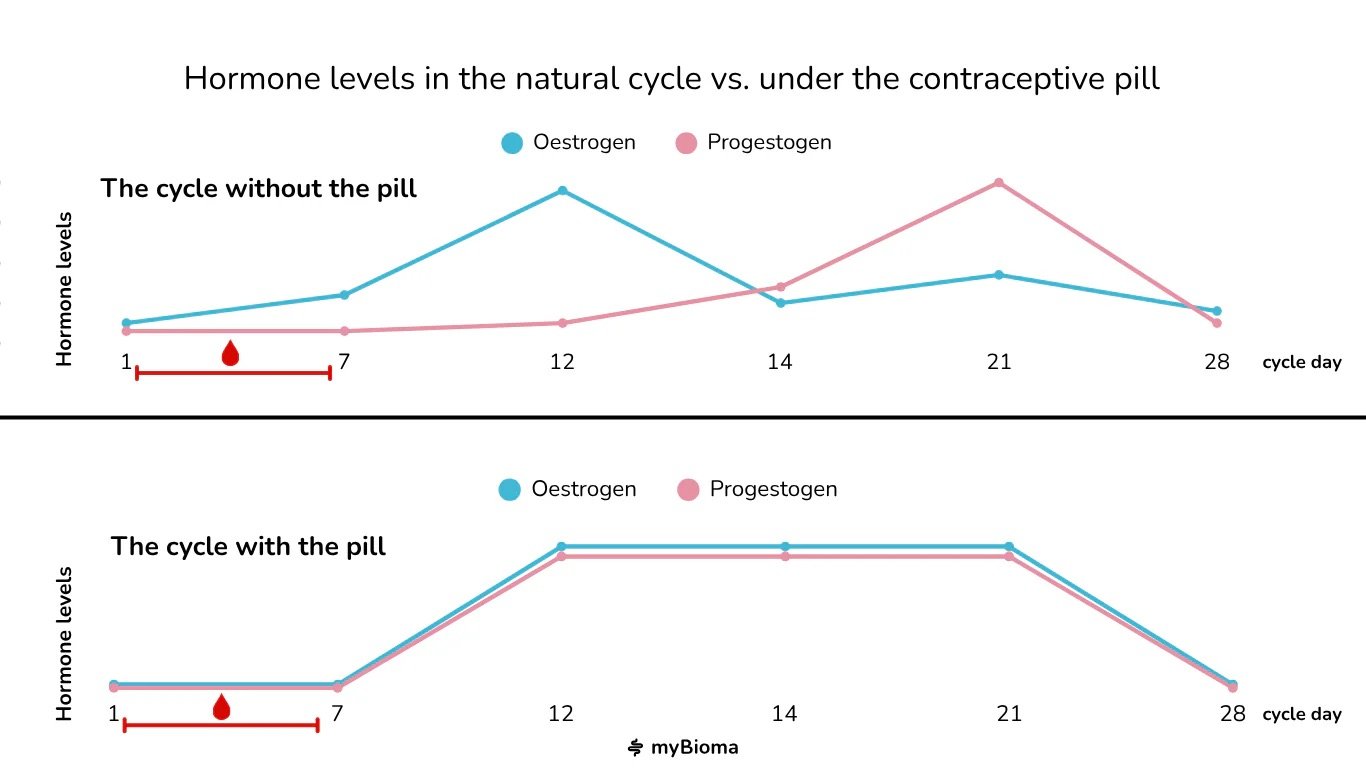
The birth control pill works by suppressing ovulation and altering your natural hormone patterns. When you stop taking it, your body begins the process of restarting its own hormonal rhythm.
This doesn’t always happen instantly.
For some, cycles return quickly. For others, it can take a few months or even years for ovulation and regular periods to re-establish.
Common Symptoms After Stopping the Pill
Everyone’s experience is different, but some of the most common changes include:
1. Irregular or Missing Periods
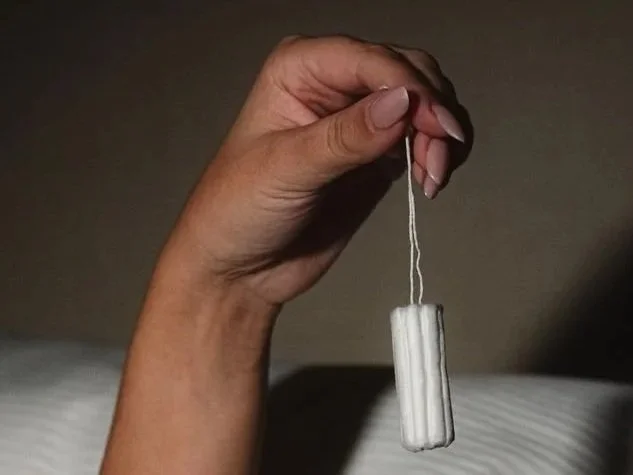
It can take time for your body to ovulate again, which means your cycle may be unpredictable at first.
2. Skin Changes
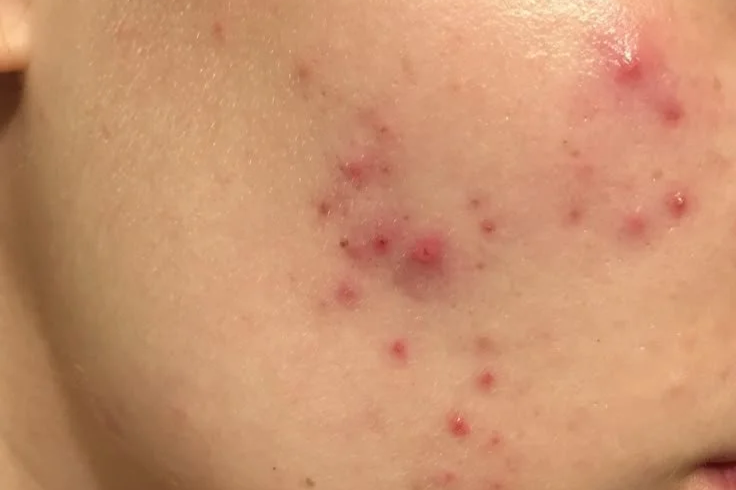
Some people experience breakouts as hormones rebalance, especially if the pill was helping manage acne.
3. Mood Fluctuations
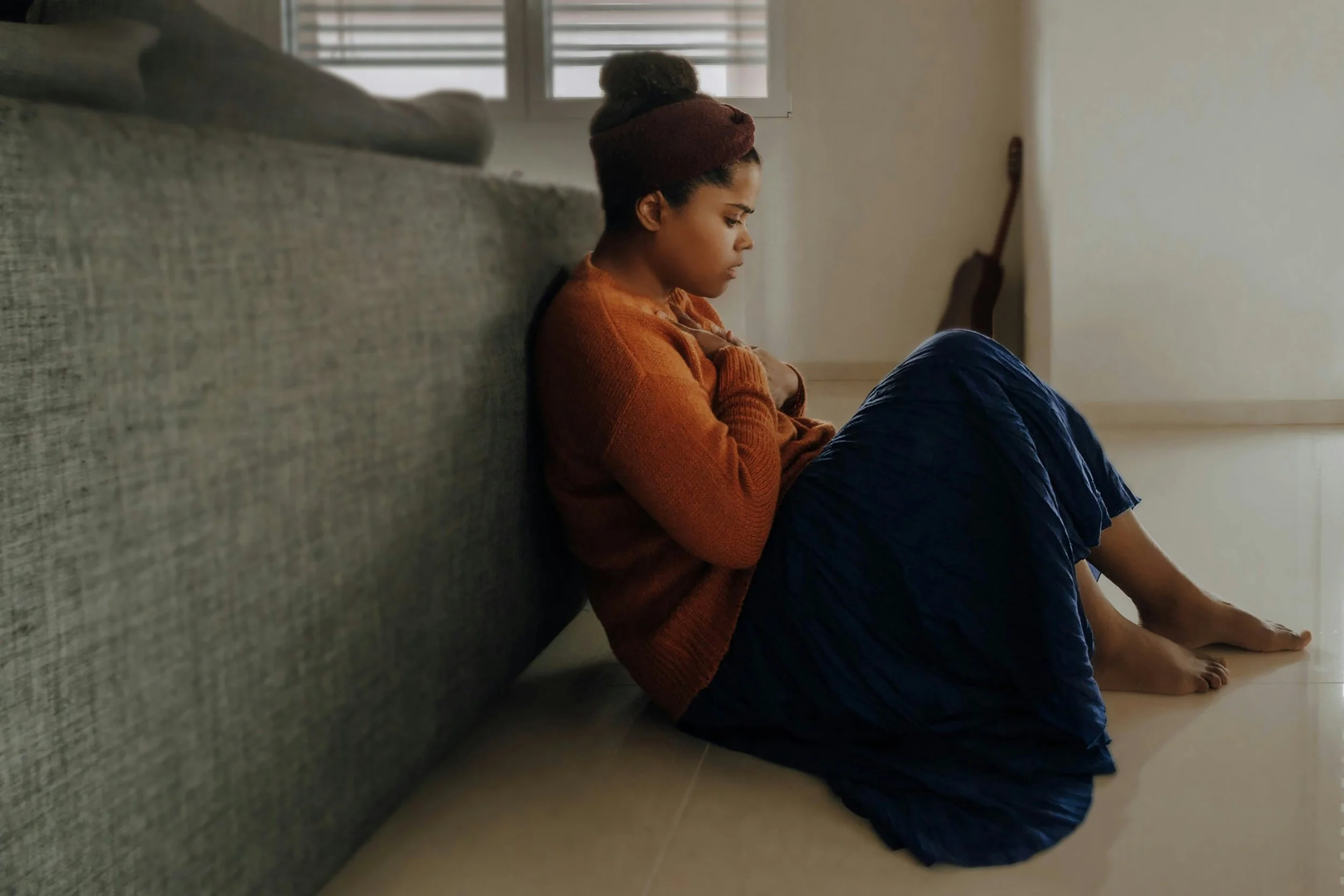
Hormonal shifts can influence mood, energy, and emotional regulation.
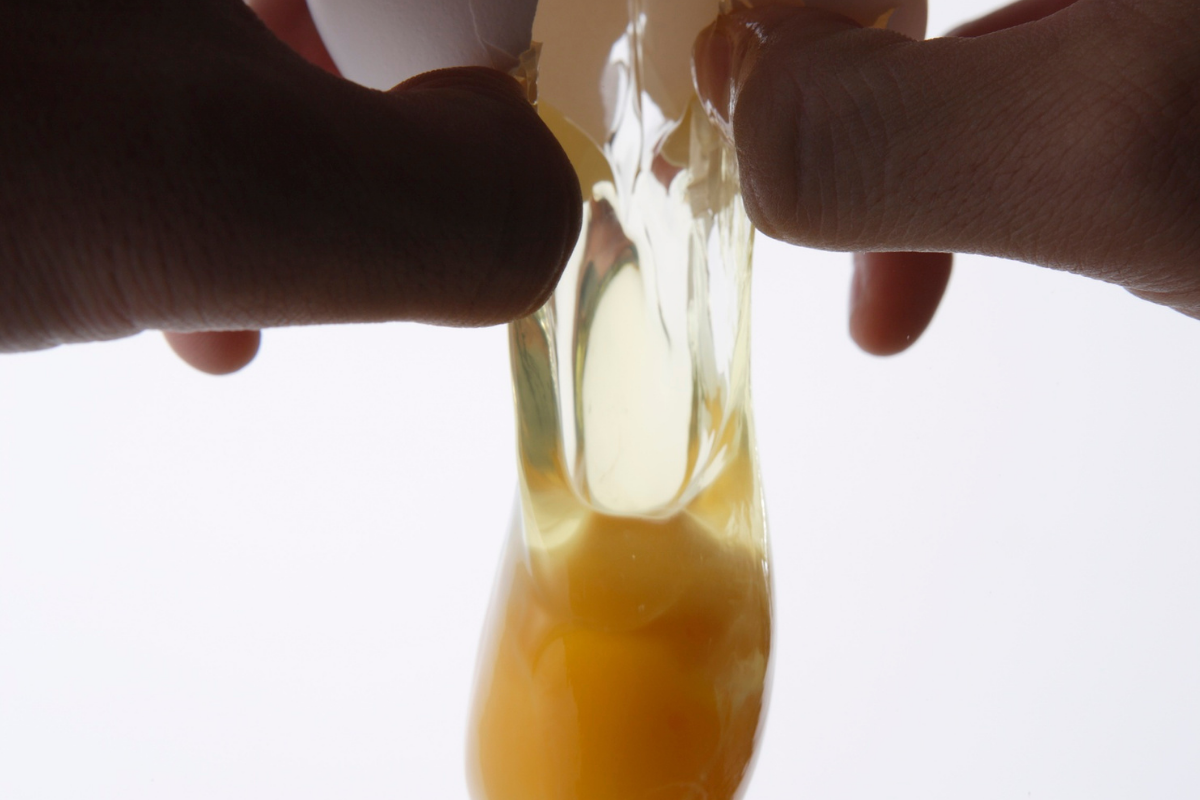
4. Changes in Cervical Mucous
You may start noticing natural fertility signs again, including changes in cervical mucous.

5. Return of Natural Libido
Many people report an increase in sex drive after stopping hormonal contraception.
Why Tracking Your Cycle Matters
One of the most important things you can do after coming off the pill is start tracking your cycle.
This helps you:
Understand when (or if) you’re ovulating
Identify hormonal patterns
Avoid unintended pregnancy
Reconnect with your body’s natural signals
Without tracking, it’s easy to feel like your body is “random” when in reality, it’s following patterns you just haven’t learned to read yet.
How to Support Your Body After the Pill
While your body is designed to regulate itself, there are ways to support the transition:

Nourish your body
Focus on whole foods, healthy fats, and adequate protein to support hormone production.
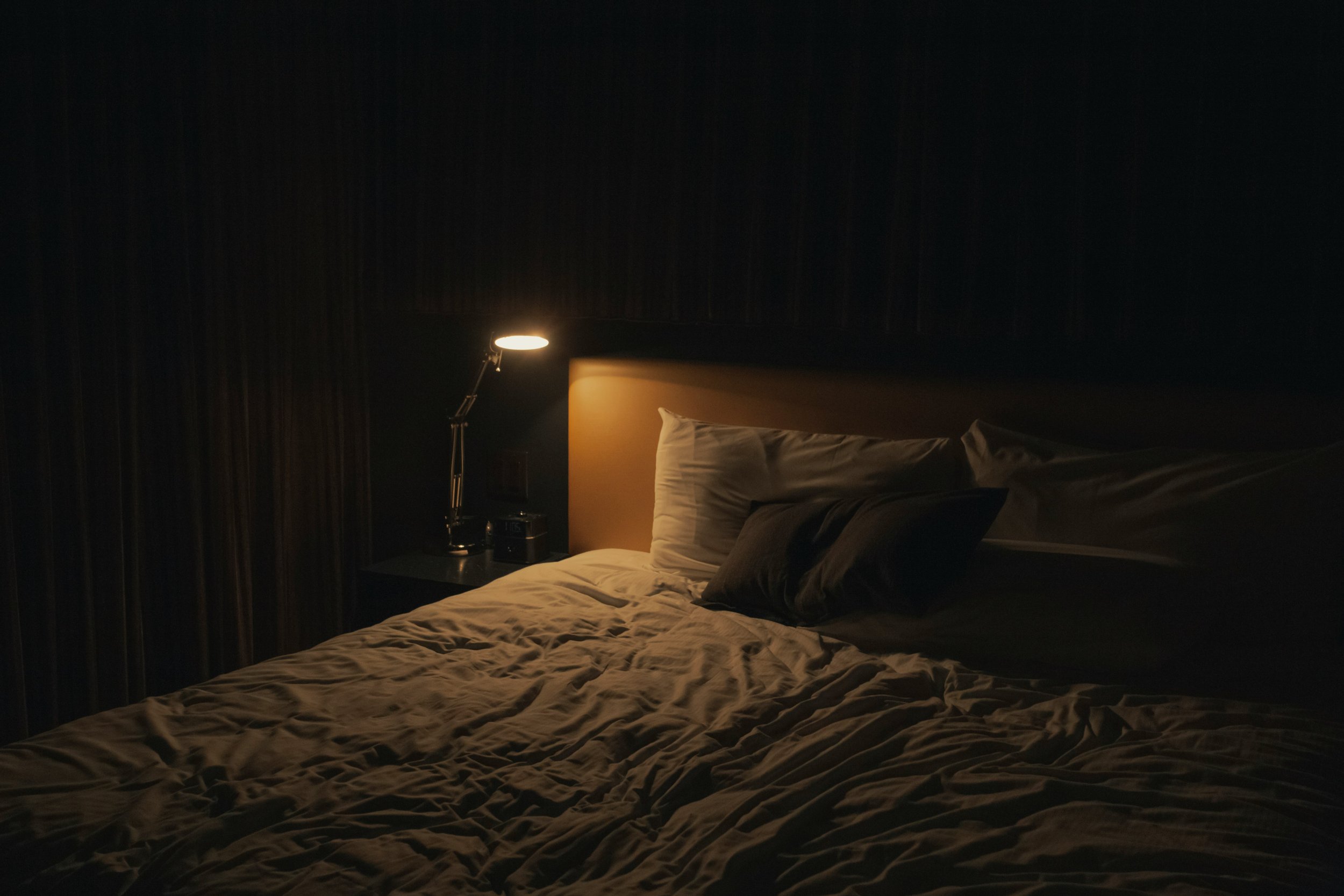
Prioritise sleep
Sleep plays a critical role in hormone balance.

Stay hydrated
Hydration supports metabolism, detoxification, and overall function.
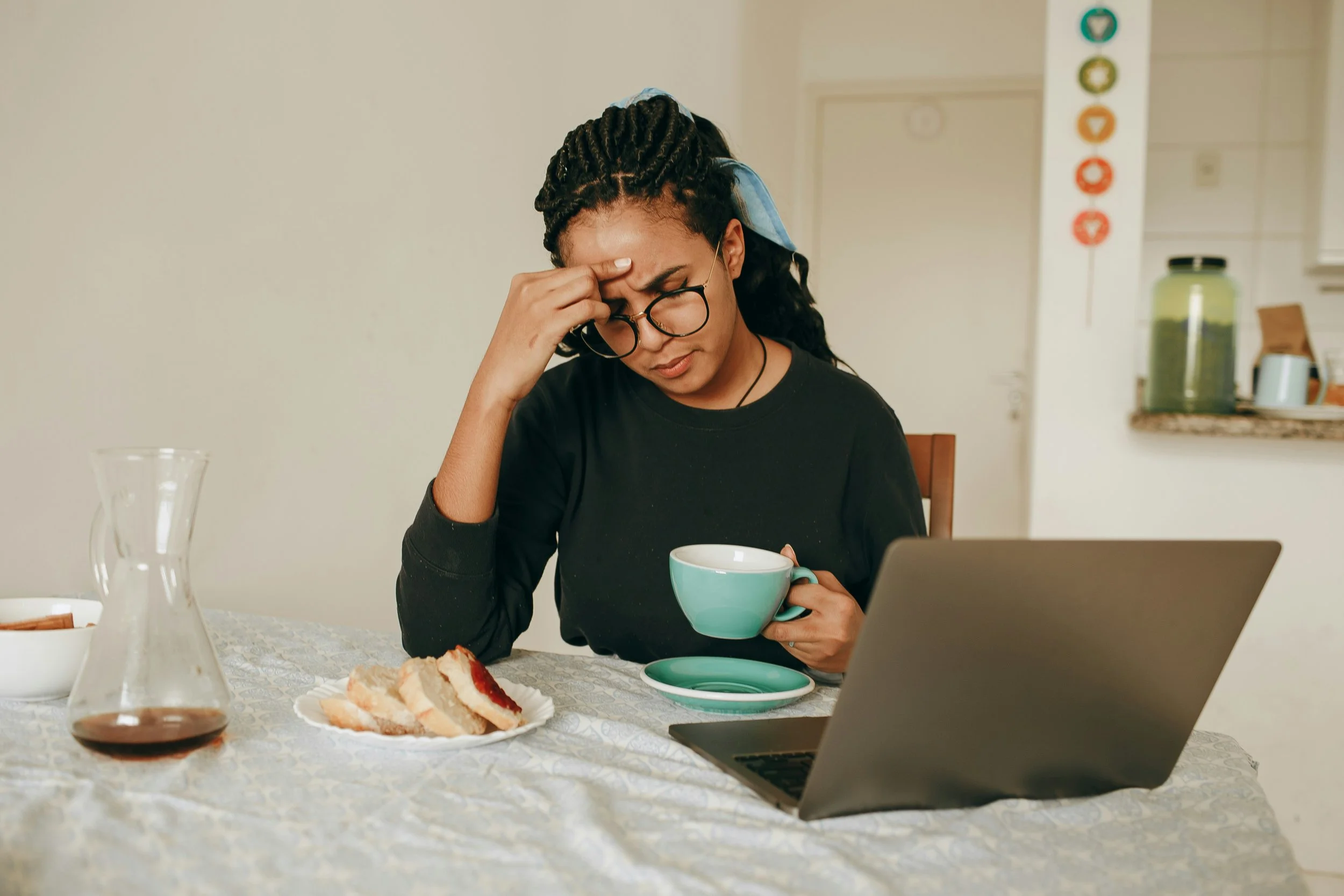
Manage stress
Chronic stress can delay ovulation and disrupt your cycle.

Start observing your body
Pay attention to signs like:
Basal body temperature
Cervical mucous
Cycle length
The Missing Piece: Understanding Your Fertility Signals
Most people are never taught how to actually read their cycle.
This is where the symptothermal method comes in - a natural approach that combines:
Basal body temperature
Cervical mucous patterns
Cycle tracking
It allows you to identify your fertile window with accuracy and understand what’s happening in your body each day.
Want to Feel Confident in Your Cycle?
If you’re coming off the pill and want to:
Avoid pregnancy naturally
Understand your hormones
Track your cycle with clarity
My ebook, “The Complete Fertility Awareness Method Guide: Understand & Track Your Cycle Naturally”, walks you through everything step-by-step.
Inside, you’ll learn how to:
Accurately track basal body temperature
Interpret cervical mucus patterns
Identify ovulation with confidence
Apply the symptothermal method effectively
It’s designed to take you from confused to confident, without relying on guesswork.
Coming off the pill is a transition, but it’s also an opportunity.
An opportunity to:
Understand your body
Rebuild your natural cycle
Learn a skill most people were never taught
With the right knowledge and tools, you can navigate this phase with confidence.
Disclaimer
The content provided on this health education blog is intended for informational purposes only and should not be construed as medical advice, diagnosis, or treatment. The information shared on this platform is not a substitute for professional medical advice, examination, diagnosis, or treatment. Always seek the advice of your physician or other qualified healthcare provider with any questions you may have regarding a medical condition or treatment and before undertaking a new health care regimen.
The authors and contributors of this blog make no representations or warranties of any kind, express or implied, about the completeness, accuracy, reliability, suitability, or availability with respect to the content contained on this blog for any purpose. Any reliance you place on such information is therefore strictly at your own risk.
In no event will we be liable for any loss or damage including without limitation, indirect or consequential loss or damage, or any loss or damage whatsoever arising from loss of data or profits arising out of, or in connection with, the use of this blog.
Through this blog, you may be able to link to other websites that are not under the control of the blog’s authors. We have no control over the nature, content, and availability of those sites. The inclusion of any links does not necessarily imply a recommendation or endorse the views expressed within them.
Every effort is made to keep the blog up and running smoothly. However, the blog's authors take no responsibility for, and will not be liable for, the website being temporarily unavailable due to technical issues beyond our control.
All content on this blog is subject to change without notice.
