

How Stress Affects the Body: The Hidden Impact on Hormones, Digestion, Immunity & More
Stress Isn’t Just in Your Head. It’s in Your Whole Body.
When we think about stress, we often think about the mental health impacts, such as anxiety, anger issues, depression, and burnout. We don’t really stop to consider the physical affects of chronic stress. But the truth is, chronic stress affects every system in your body, not just your mind.
From hormone imbalances to digestive issues, stress can quietly wear down your physical health over time. In this blog, we’ll explore what happens in your body when you’re stressed and how to support your health naturally.
What Happens in the Body During Stress?
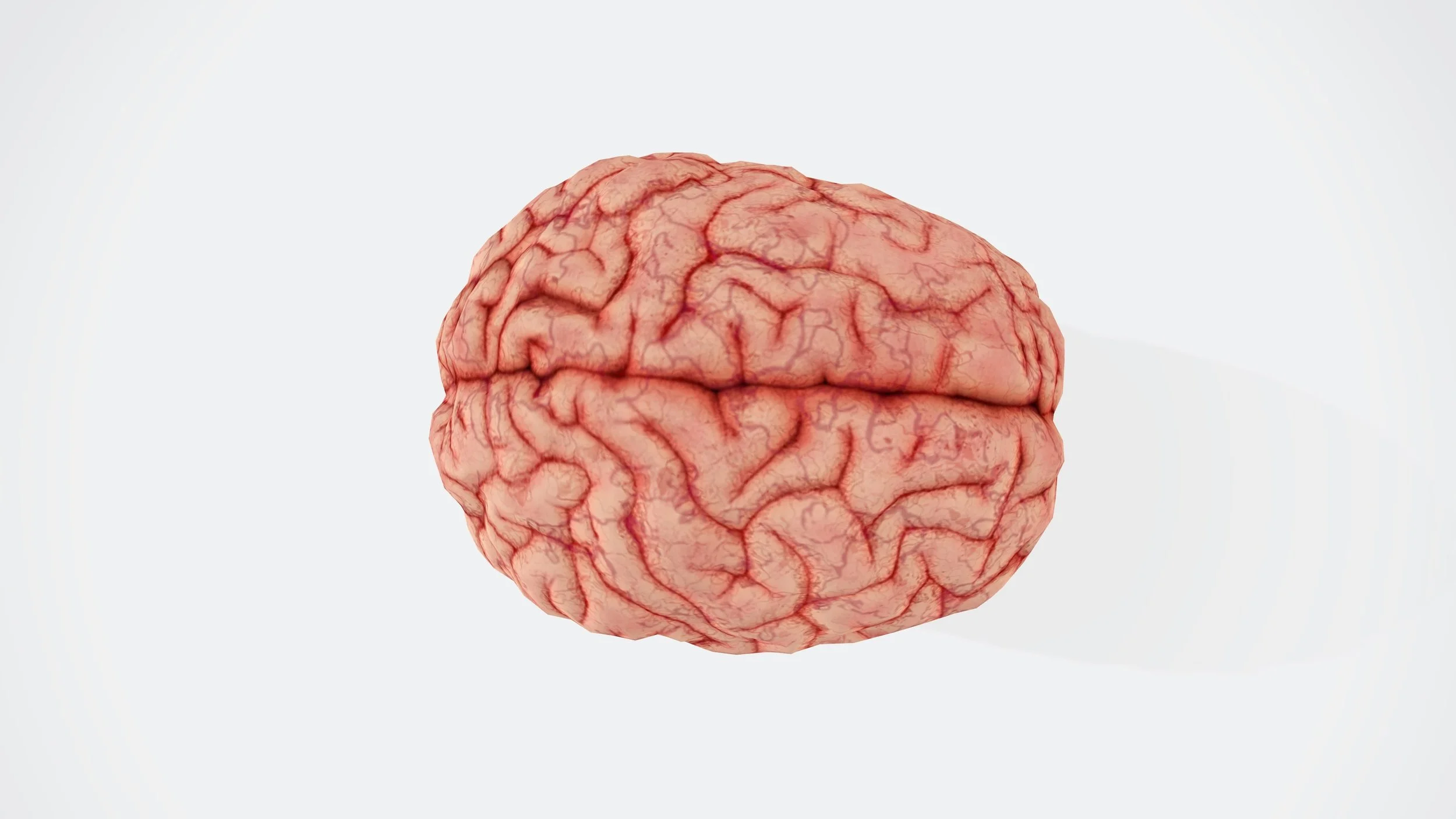
Photo by BUDDHI Kumar SHRESTHA on Unsplash
When your brain senses a threat - even if it’s just an overflowing inbox or skipped lunch - it activates the stress response system:
The amygdala sounds the alarm.
The hypothalamus switches on the HPA axis (hypothalamic-pituitary-adrenal axis).
Your adrenal glands release adrenaline and cortisol.
These stress hormones help you survive short-term danger but can wreak havoc when elevated long-term.
Key Stress Hormones:
Adrenaline: Increases heart rate, blood pressure, and alertness.
Cortisol: Increases blood sugar, suppresses digestion, alters immune response, and affects hormone production.
The Physical Effects of Chronic Stress on the Body

Photo by Greg Pappas on Unsplash
1. Stress and Thyroid Function
Your thyroid controls your metabolism, energy, and even your mood. Chronic stress can:
Decrease thyroid hormone production
Block the conversion of T4 to active T3
Cause “thyroid resistance,” where your cells stop responding effectively
Symptoms: Fatigue, weight gain, brain fog, feeling cold, slow metabolism.

Photo by Kelly Sikkema on Unsplash
2. Stress and Immune System Suppression
Cortisol suppresses immune function, making it harder to fight infections. You may notice:
Getting sick more often
Slower recovery from illness
Increased inflammation

Photo by Immo Wegmann on Unsplash
3. Stress and Insulin Resistance
Cortisol raises your blood glucose to fuel the “fight or flight” response. Over time, this can cause:
Insulin resistance
Sugar cravings
Weight gain
Increased risk of type 2 diabetes
Photo by Mariia Horobets on Unsplash
4. Stress and Digestive Issues
The gut-brain connection means stress directly impacts your digestion.
Chronic stress can cause:
Dysbiosis (an imbalance in gut bacteria)
Intestinal dysmotility (sluggish or erratic digestion)
Bloating, discomfort, constipation or diarrhoea

Photo by Sora Shimazaki: https://www.pexels.com/photo/crop-woman-with-tiny-plant-in-menstrual-cup-5938391/
5. Stress and Hormone Imbalance
To keep up with cortisol production, your body may redirect resources away from producing sex hormones like estrogen, progesterone, and testosterone — a process known as the pregnenolone steal.
This shift can cause:
PMS or PMDD symptoms
Irregular or missing periods
Lower libido
Mood swings or anxiety around your cycle
Difficulty conceiving
Stress Is a Biological Disruption - Not Just a Feeling
Chronic stress is a physiological problem with real effects on your body, not just a mental health problem. Over time, it can disrupt:
Energy levels
Weight regulation
Immune function
Digestive health
Hormonal balance
Addressing stress isn’t optional - it’s essential for long-term health and wellbeing.
10 Ways to Support Your Body Through Stress

Photo by Blaz Photo on Unsplash
1. Set Boundaries to Protect Your Energy
Say no when needed. Schedule rest and don’t apologise for downtime. Boundaries are a form of self-care and nervous system regulation.
2. Eat Regular, Balanced Meals
Support blood sugar with meals that include:
Protein (e.g. eggs, legumes, meat)
Healthy fats (e.g. avocado, nuts, olive oil)
Complex carbs (e.g. brown rice, oats, sweet potato)
Fibre (e.g. fresh fruits & vegetables, grains, legumes, beans)

3. Prioritise Gentle Movement
Chronic stress is already hard on the body, so don’t push it further with intense workouts every day. Instead, try:
Walking
Yoga
Pilates
Swimming
Stretching
Dancing
4. Focus on Restorative Sleep

Photo by Quin Stevenson on Unsplash
Good sleep resets your stress response and refreshes your brain. It plays a critical role in hormone balance, immune function, and emotional regulation.
Aim for 7–9 hours of sleep, with 2–3 of those hours before midnight — this is when your body gets the deepest, most restorative rest. Turning off screens, dimming the lights, and creating a consistent evening routine can help signal to your body that it’s time to wind down.
5. Introduce More Joy Into Your Day
Do things just because they make you happy. And if you don’t know what makes you happy, make it your mission to find out. Joy is a form of nervous system nourishment.

Photo by National Cancer Institute on Unsplash
6. Lean Into Your Support Network
You don’t need to cope alone. Tell someone how you’re really feeling — a friend, a partner, even a stranger. Things often feel less overwhelming when you say them out loud.
7. Turn Your Focus Outward
Doing something kind for others — whether it’s texting a friend, helping a neighbour, or donating time — can boost your mood and sense of purpose.
8. Speak With a Professional

Photo by Edgar López on Unsplash
If stress is affecting your health, it’s worth speaking with a psychologist or counsellor. Getting it off your chest often makes it feel more manageable.
9. Let Herbal Medicine Support You
Herbal medicine offers gentle yet powerful support for a frazzled nervous system. Herbs like ashwagandha, lemon balm, passionflower, and skullcap can calm and restore.
10. Seek Holistic Support
Your body is always talking to you — if stress is showing up in your digestion, sleep, skin, or cycle, it’s time to listen. A holistic approach can help you feel like yourself again.
Final Thoughts: Stress Might Be the Missing Piece
If you’re tired, bloated, moody, or feeling unlike yourself, it might be time to think about the role of stress in your life.
By recognising the signs and supporting your body holistically, you can calm your nervous system, improve your health, and feel like yourself again.
Book a naturopathy appointment today to take back control of your health, and finally start feeling better – body and mind.
Disclaimer
The content provided on this health education blog is intended for informational purposes only and should not be construed as medical advice, diagnosis, or treatment. The information shared on this platform is not a substitute for professional medical advice, examination, diagnosis, or treatment. Always seek the advice of your physician or other qualified healthcare provider with any questions you may have regarding a medical condition or treatment and before undertaking a new health care regimen.
The authors and contributors of this blog make no representations or warranties of any kind, express or implied, about the completeness, accuracy, reliability, suitability, or availability with respect to the content contained on this blog for any purpose. Any reliance you place on such information is therefore strictly at your own risk.
In no event will we be liable for any loss or damage including without limitation, indirect or consequential loss or damage, or any loss or damage whatsoever arising from loss of data or profits arising out of, or in connection with, the use of this blog.
Through this blog, you may be able to link to other websites that are not under the control of the blog’s authors. We have no control over the nature, content, and availability of those sites. The inclusion of any links does not necessarily imply a recommendation or endorse the views expressed within them.
Every effort is made to keep the blog up and running smoothly. However, the blog's authors take no responsibility for, and will not be liable for, the website being temporarily unavailable due to technical issues beyond our control.
All content on this blog is subject to change without notice.
