

Natural Hay Fever Relief: How to Manage Allergic Rhinitis This Spring
Spring has sprung, and so hay fever season has begun.
For many Australians, this time of year brings more than just sunshine and flowers. If you are one of the many people struggling with hay fever, also known as allergic rhinitis, you will know the constant sneezing, runny nose, itchy eyes and congestion can really affect your day-to-day life.
In this post, we will explore what hay fever is, what triggers it, and most importantly, natural approaches to hay fever relief that may help you breathe easier this season.
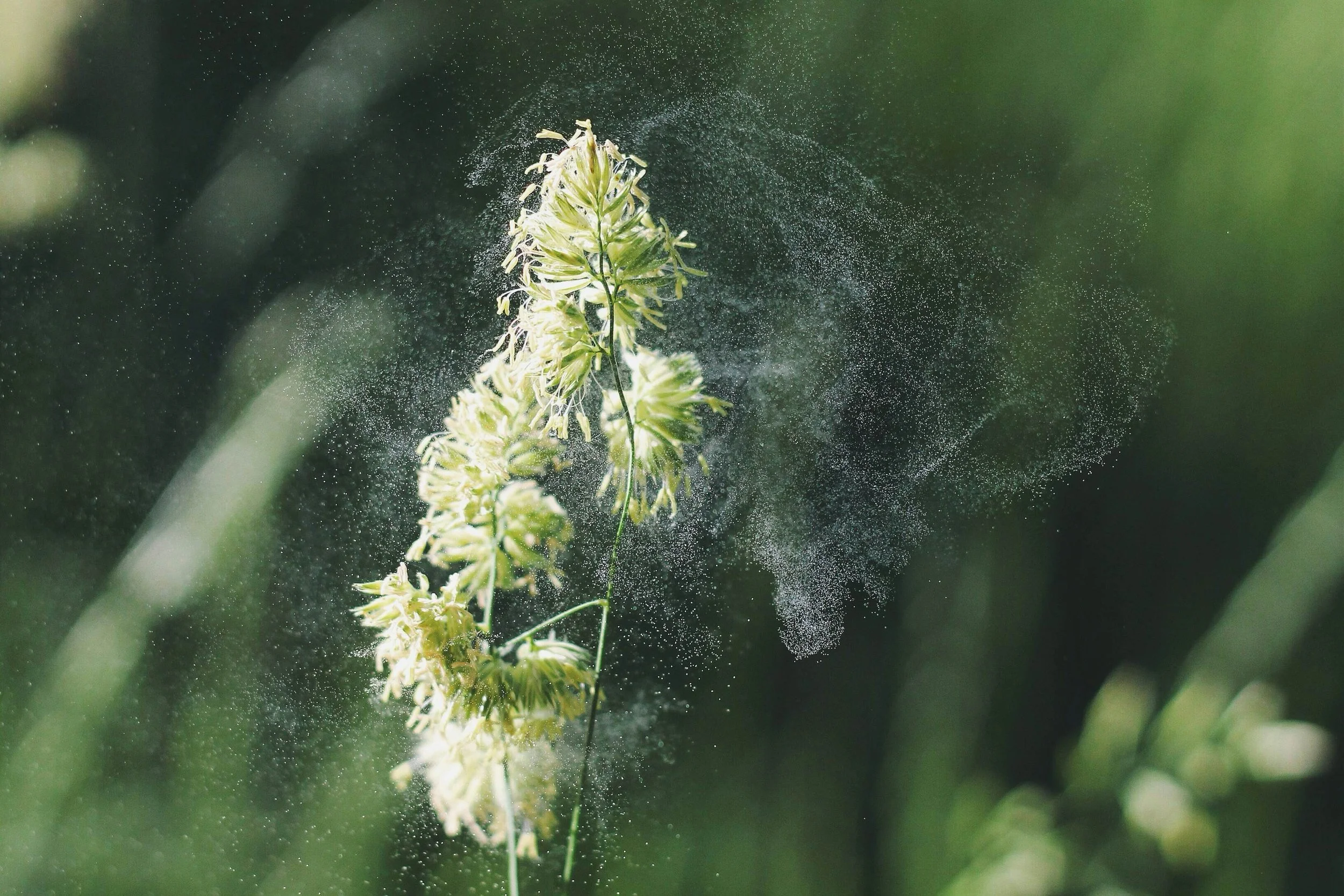
Photo by Alex Jones on Unsplash
What is Allergic Rhinitis (Hay Fever)?
Allergic rhinitis is inflammation of the lining of the nose caused by allergens, which are tiny particles in the environment that your immune system reacts to.
It can be seasonal (commonly called hay fever, triggered by pollens) or perennial (year-round, often caused by dust mites, pets or moulds).
Photo by Kelly Sikkema on Unsplash
Common hay fever symptoms include:
Nasal congestion (blocked nose)
Runny nose with thin, clear mucus
Sneezing
Itchy nose and eyes
Red, watery eyes (conjunctivitis)
There is often a family history of allergies, such as asthma, eczema or food sensitivities.
What Causes Hay Fever Symptoms?
Photo by Dare Artworks on Unsplash
When you breathe in pollen or another allergen, your immune system mistakes it as harmful and reacts. This sets off a chain reaction:
Allergens bind to IgE antibodies on the surface of immune cells (mast cells and basophils).
These cells release histamine and other inflammatory chemicals.
The result is sneezing, itching, congestion and watery eyes!
In seasonal hay fever, grass pollens are the most common culprit, though tree and weed pollens can also trigger symptoms. In perennial hay fever, house dust mites, moulds, pets and even cockroaches are often the source.
To get real relief from hay fever, it is important to first understand which triggers are affecting you
The Naturopathic Approach to Hay Fever
Naturopathic treatment for hay fever focuses on three key principles:
Control symptoms naturally and gently.
Remove or reduce triggers wherever possible.
Start treatment early (ideally six weeks before allergy season begins and continue throughout).

Photo by Gabriel Tenan on Unsplash
Environmental Strategies
Reducing allergen exposure is one of the most effective first steps.
Stay indoors on high pollen count days.
Shower and change clothes after outdoor activities.
Use HEPA filters and regular cleaning to reduce dust mites.
Staying by the sea or in higher altitudes can substantially reduce pollen exposure (good excuse for a beachside respite!).
Dietary Support
Photo by Anita Jankovic on Unsplash
Your diet can play a role in either calming or aggravating hay fever. Certain foods may promote inflammation and mucus production, making symptoms worse.
Consider trialling the reduction or removal of:
Dairy products
Wheat
Refined carbohydrates
Excess salt
Try eliminating one component (such as dairy) for at least two months, or during the allergy season, to see if symptoms improve.
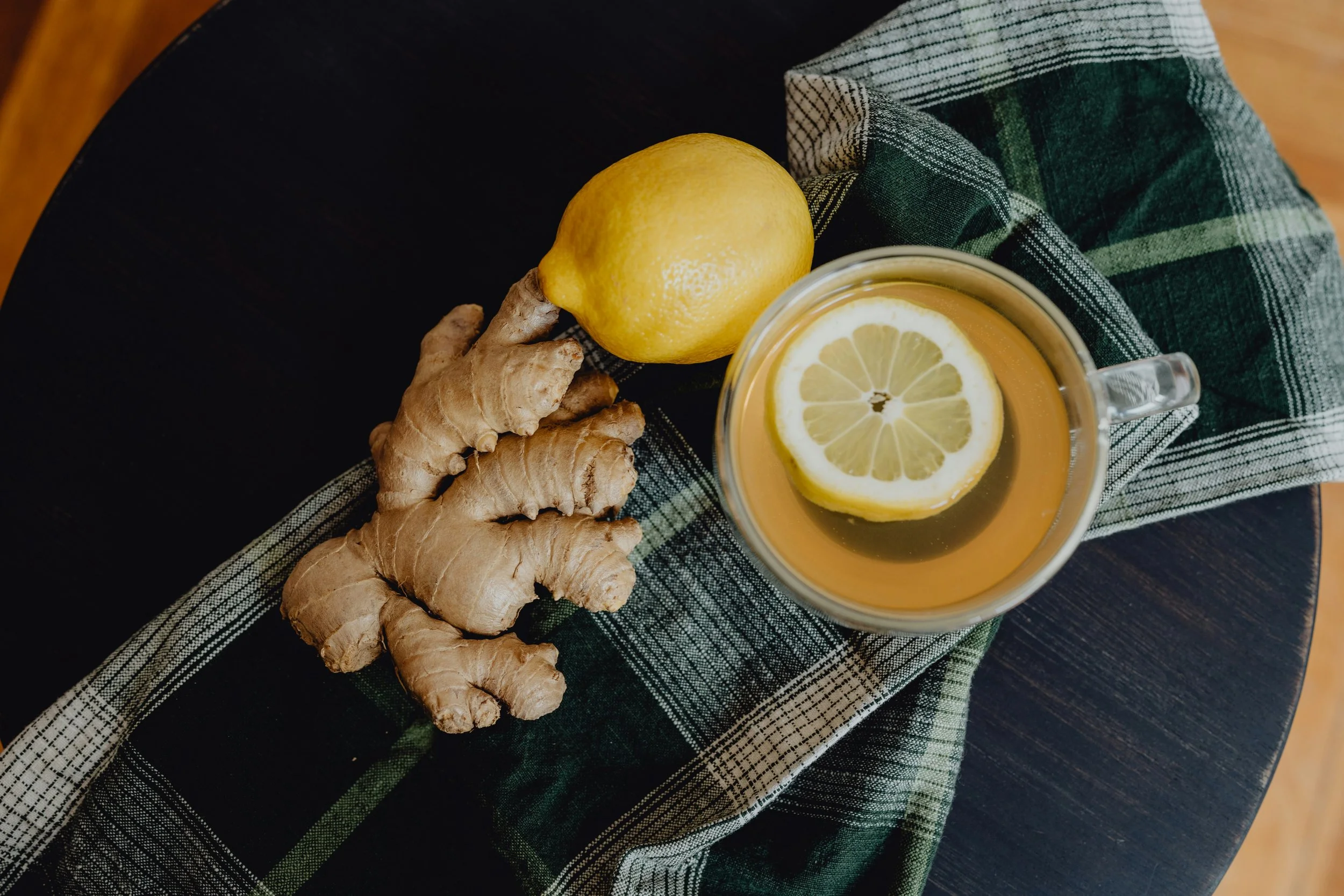
Photo by Kelly Sikkema on Unsplash
Foods that help
Fresh ginger, garlic, horseradish, onion and cayenne can help unblock sinus congestion and promote nasal clearance.
Plenty of fresh fruits, vegetables and wholefoods to support overall immune balance.
Adequate hydration is essential to keep mucous membranes healthy.
Herbal Medicine for Hay Fever
Herbs can play an important role in both reducing allergy symptoms and improving the resilience of the nasal passages. Healthy upper respiratory mucous membranes are vital, as intact tissues make it harder for allergens to penetrate and trigger a reaction.
Immune-enhancing herbs: Echinacea root, Astragalus.
Anti-allergic herbs: Albizia, Baical skullcap, Nigella.
Upper respiratory support herbs: Eyebright (Euphrasia), Golden seal (Hydrastis), Plantain (Plantago lanceolata).
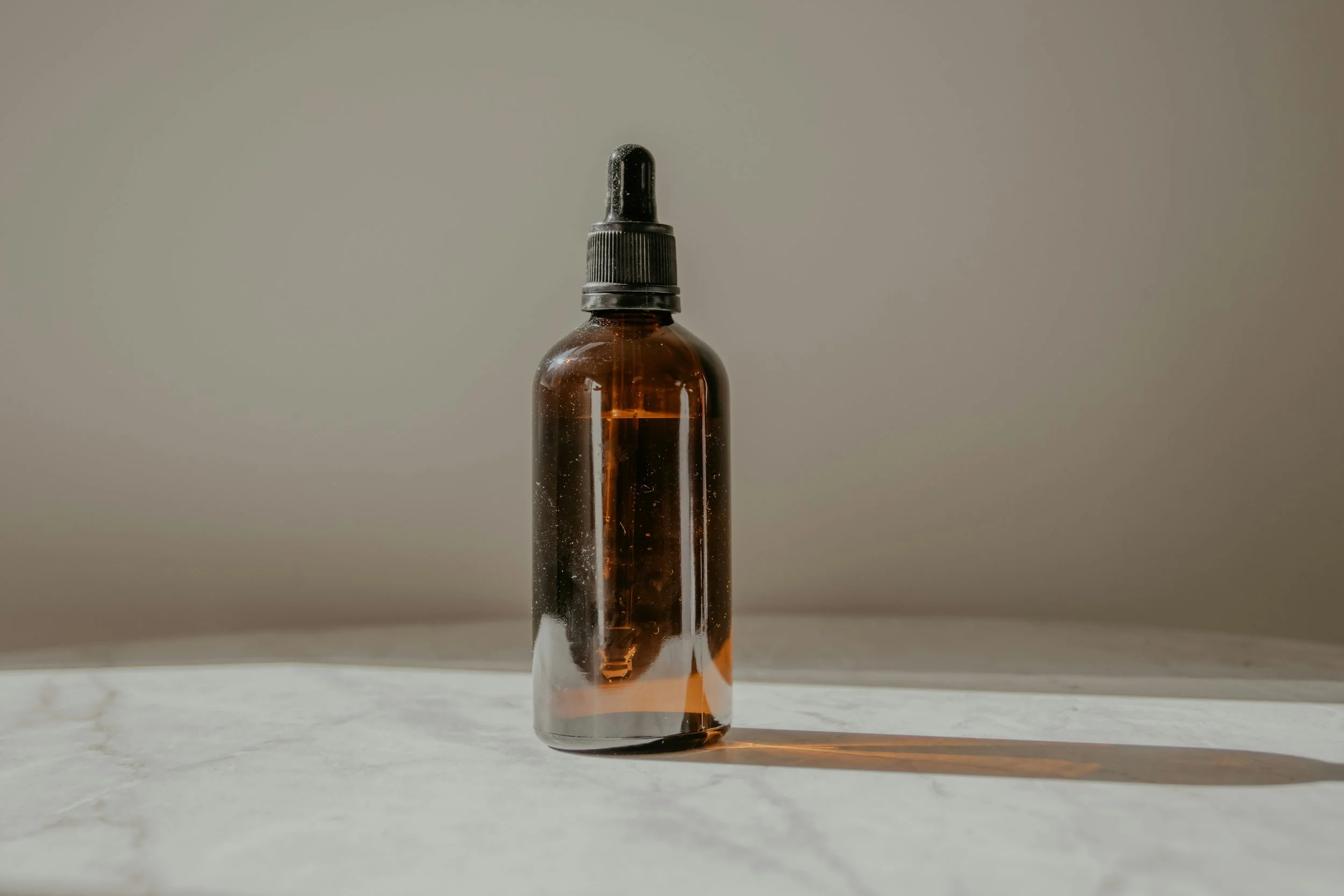
While these herbs can be very effective, it is important to remember that not all herbs are suitable for everyone. Some may interact with medications, while others may not be appropriate for people with certain health conditions.
For example, Golden seal should not be used long term, and Astragalus may not be suitable in some autoimmune cases.
Because of this, it is always best to seek professional guidance rather than self-prescribing. A naturopath can help determine which herbs are right for your body, the correct dosage, and the safest way to use them for long-term relief.
Nutritional Supplements
Certain nutrients act as natural antihistamines and anti-inflammatories:
Vitamin C helps reduce histamine levels and supports immune health. Vitamin C is abundant in citrus fruits (oranges, mandarins, lemons), kiwi fruit, strawberries, capsicum, broccoli and parsley. Including these regularly in your diet can provide gentle, ongoing support during hay fever season.
Quercetin (found in apples, onions and berries) stabilises mast cells and reduces histamine release.
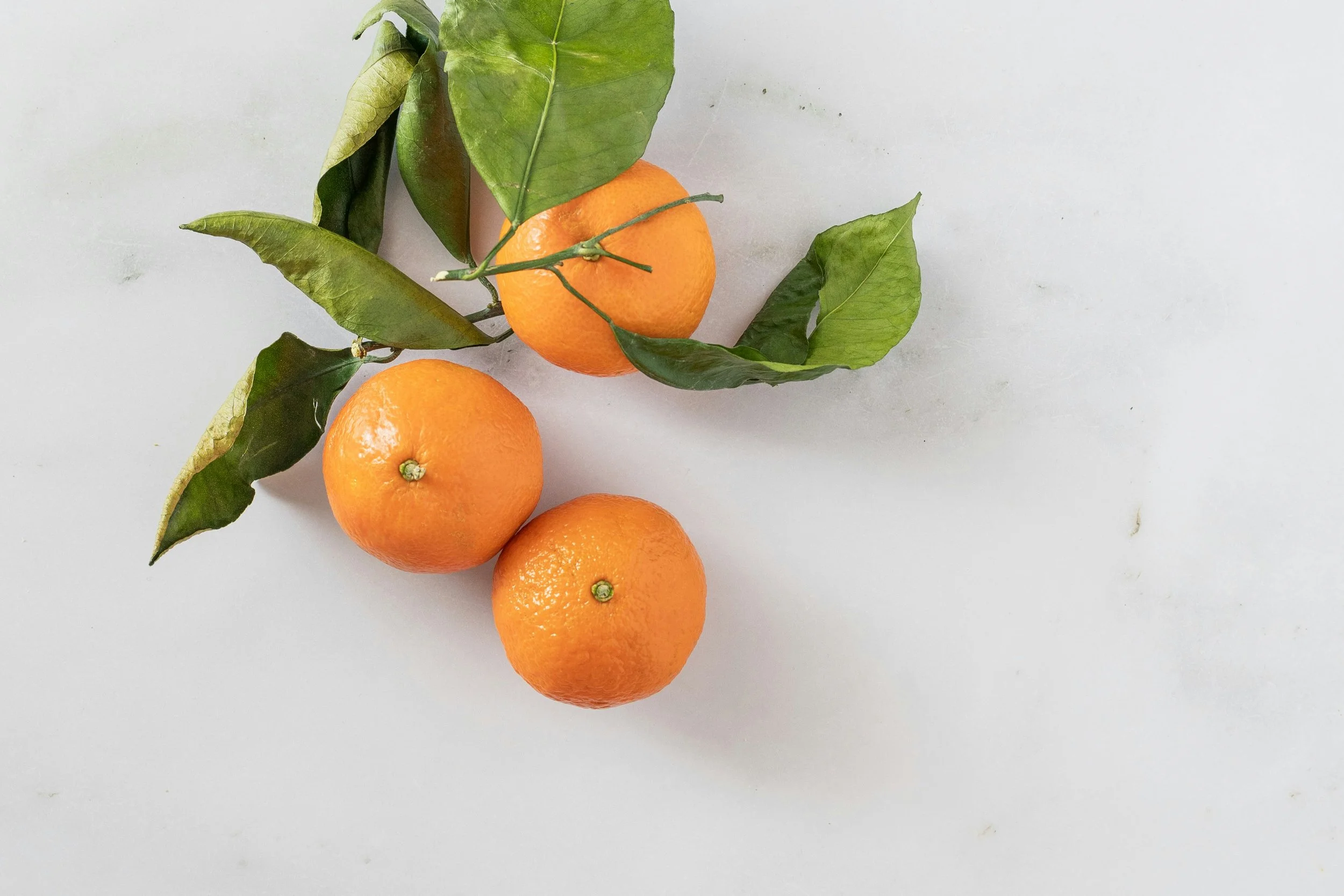
Photo by Stephanie Sarlos on Unsplash
Lifestyle and Stress Management
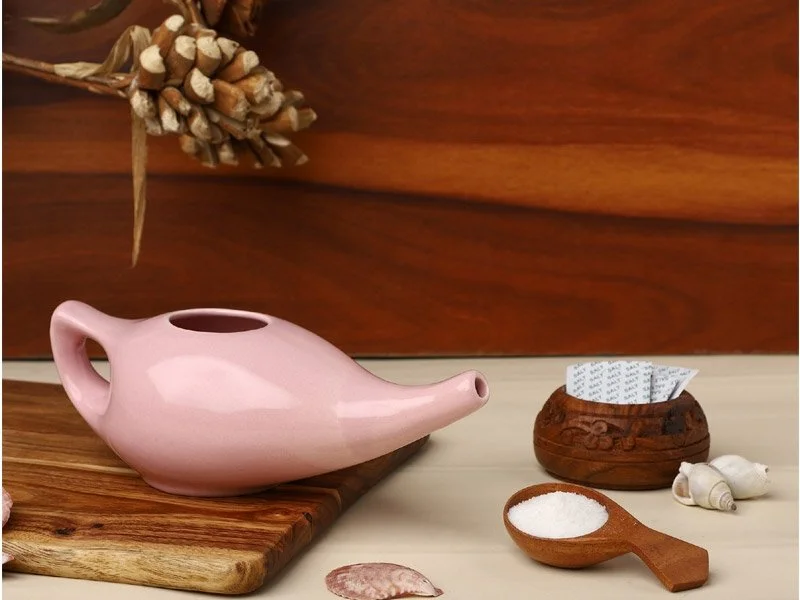
Ceramic Neti Pot for Allergy Control 225 Ml Capacity Peach
Stress can make allergies worse by weakening the immune system. Practices like meditation and gentle movement can help regulate the stress response.
Other supportive practices include:
Nasal rinses with a neti pot or saline spray to flush allergens and reduce congestion.
Good sleep routines to support immune resilience.
When to Seek Professional Support
Hay fever can interfere with sleep, concentration and overall quality of life. If symptoms are persistent, it is worth seeking personalised advice. A naturopath can help identify your triggers, recommend the right herbs and supplements, and tailor dietary changes to your needs.
Final Thoughts
Hay fever does not have to ruin your spring. With the right combination of environmental strategies, dietary changes, herbal medicine and stress support, it is possible to reduce symptoms and build long-term resilience.
If you would like a personalised naturopathic plan for hay fever relief, I would love to work with you. Together we can find the best strategies for your unique body and help you enjoy spring again.
Disclaimer
The content provided on this health education blog is intended for informational purposes only and should not be construed as medical advice, diagnosis, or treatment. The information shared on this platform is not a substitute for professional medical advice, examination, diagnosis, or treatment. Always seek the advice of your physician or other qualified healthcare provider with any questions you may have regarding a medical condition or treatment and before undertaking a new health care regimen.
The authors and contributors of this blog make no representations or warranties of any kind, express or implied, about the completeness, accuracy, reliability, suitability, or availability with respect to the content contained on this blog for any purpose. Any reliance you place on such information is therefore strictly at your own risk.
In no event will we be liable for any loss or damage including without limitation, indirect or consequential loss or damage, or any loss or damage whatsoever arising from loss of data or profits arising out of, or in connection with, the use of this blog.
Through this blog, you may be able to link to other websites that are not under the control of the blog’s authors. We have no control over the nature, content, and availability of those sites. The inclusion of any links does not necessarily imply a recommendation or endorse the views expressed within them.
Every effort is made to keep the blog up and running smoothly. However, the blog's authors take no responsibility for, and will not be liable for, the website being temporarily unavailable due to technical issues beyond our control.
All content on this blog is subject to change without notice.
