

Herbal Medicine
What is herbal medicine?
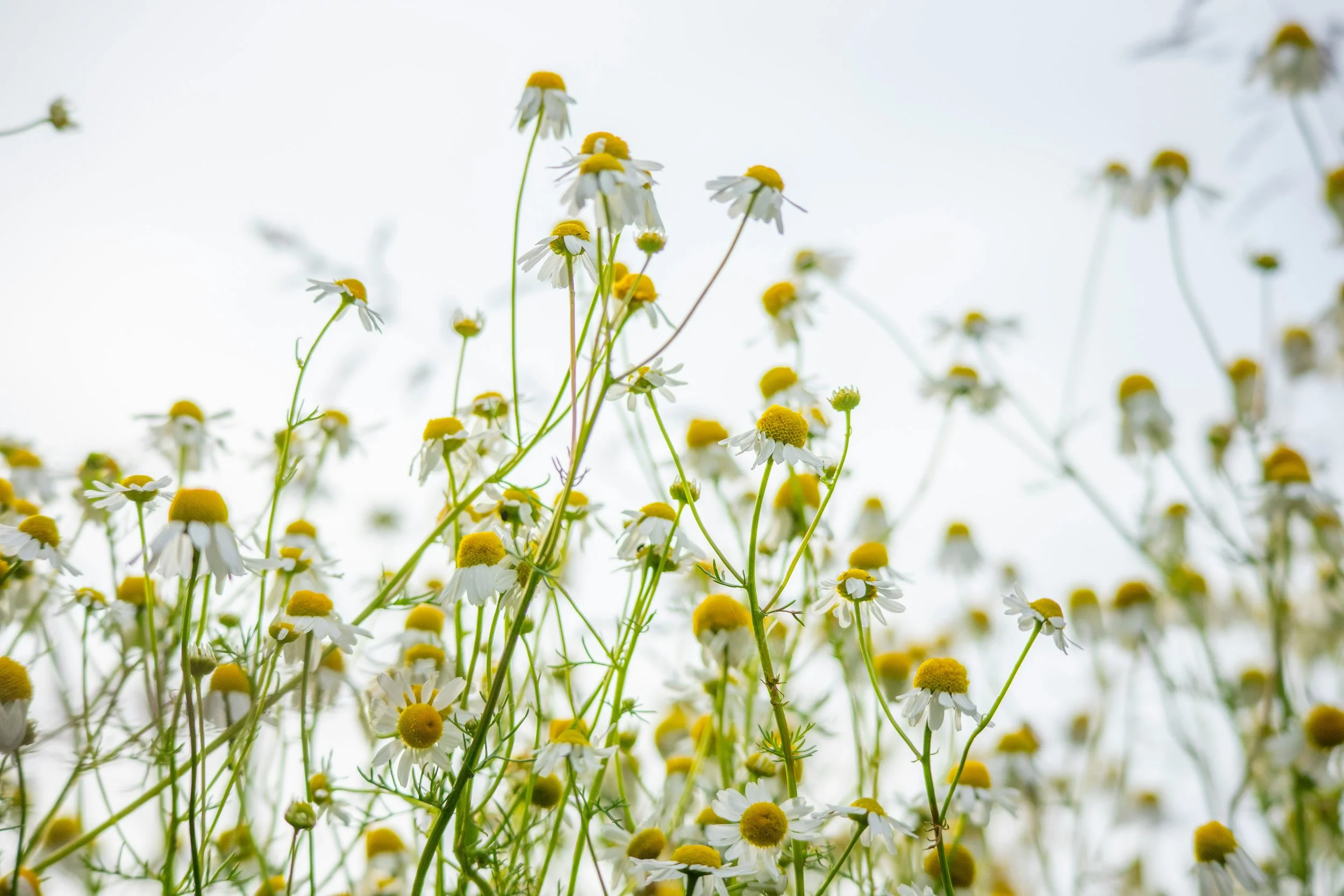
Herbal medicine refers to the practice of using plants and plant extracts to support health and treat a variety of conditions. It comes in many forms, including tinctures, teas, capsules, powders, and topical applications such as creams, washes, ointments, and salves. Used for centuries across cultures, herbal medicine is supported by both traditional knowledge and growing scientific research.
What are the benefits of herbal medicine?
Unlike conventional medicine, a single herb can have multiple therapeutic actions. Often, several herbs are combined in one formula, providing multiple benefits in a single treatment. This allows for highly individualised care tailored to a person’s specific needs.
Herbal medicine can support overall wellness, strengthen the body’s natural healing processes, and address the root causes of imbalances rather than just managing symptoms.
Some herbs provide acute care, offering symptomatic relief for immediate issues like digestive upset, colds, or headaches.
Others work as long-term herbs, helping to restore balance and fix underlying causes of chronic conditions.
Because herbs contain multiple active compounds, they can work synergistically, offering gentle yet effective support for a wide range of health concerns.
Is herbal medicine safe?
Herbal medicine is generally safe when used correctly and under professional guidance. Like any form of medicine, herbs can have side effects, interactions with medications, or be unsuitable for certain people, such as pregnant or breastfeeding individuals, children, or those with chronic health conditions.
The safety of herbal products depends on quality, dosage, and proper use. Using herbs from reputable sources, following recommended doses, and consulting a qualified herbalist or naturopath can significantly reduce risks.
Many herbs are well-tolerated and offer gentle, natural support, but some can cause adverse reactions or interact with prescription medications. Always inform your healthcare provider about any herbs you are taking to ensure safe, personalised care.
Can herbal medicines interact with prescription drugs?
Yes, herbal medicine can interact with prescription medications, which is why it’s important to always inform your doctor or herbalist about any herbs you are taking. Herbs contain active compounds that can enhance or reduce the effects of medications, potentially causing unwanted side effects or reducing treatment effectiveness.
For example, during chemotherapy or immunotherapy, doctors often advise avoiding herbal teas, including green tea. While green tea is rich in antioxidants and generally beneficial, these same compounds can interfere with the goal of chemotherapy, which relies on targeted cell death. This shows that even common herbal remedies, like teas, can interact with medications and impact treatment outcomes.
By working with a qualified healthcare professional, you can safely incorporate herbal medicine while avoiding harmful interactions and maximising health benefits.

How effective is herbal medicine?
Herbal medicine can be highly effective for many health concerns, but results depend on the herb, dosage, and individual. Some herbs, like ginger for nausea, peppermint for digestive discomfort, or chamomile for mild anxiety, have strong clinical evidence supporting their use. Others are traditionally used for long-term health support, such as milk thistle for liver health or ashwagandha for stress and hormonal balance.
It’s important to note that herbal medicine often works gradually, addressing root causes rather than just immediate symptoms. When used appropriately under the guidance of a qualified herbalist or healthcare professional, herbs can provide gentle, effective, and personalised support for both acute symptoms and chronic health conditions.
How do I choose the right herbal medicine?
Choosing the right herbal medicine depends on your health goals, current medications, and individual needs. Start by consulting a qualified herbalist, naturopath, or healthcare professional, who can recommend herbs that are safe, effective, and tailored to you.
When selecting products, choose those that are regulated by the Therapeutic Goods Administration (TGA) in Australia. These products will have an AUST-L or AUST-R number, indicating they meet safety and quality standards. Avoid purchasing herbs from overseas online stores, as these products may be unregulated, mislabelled, or contaminated.
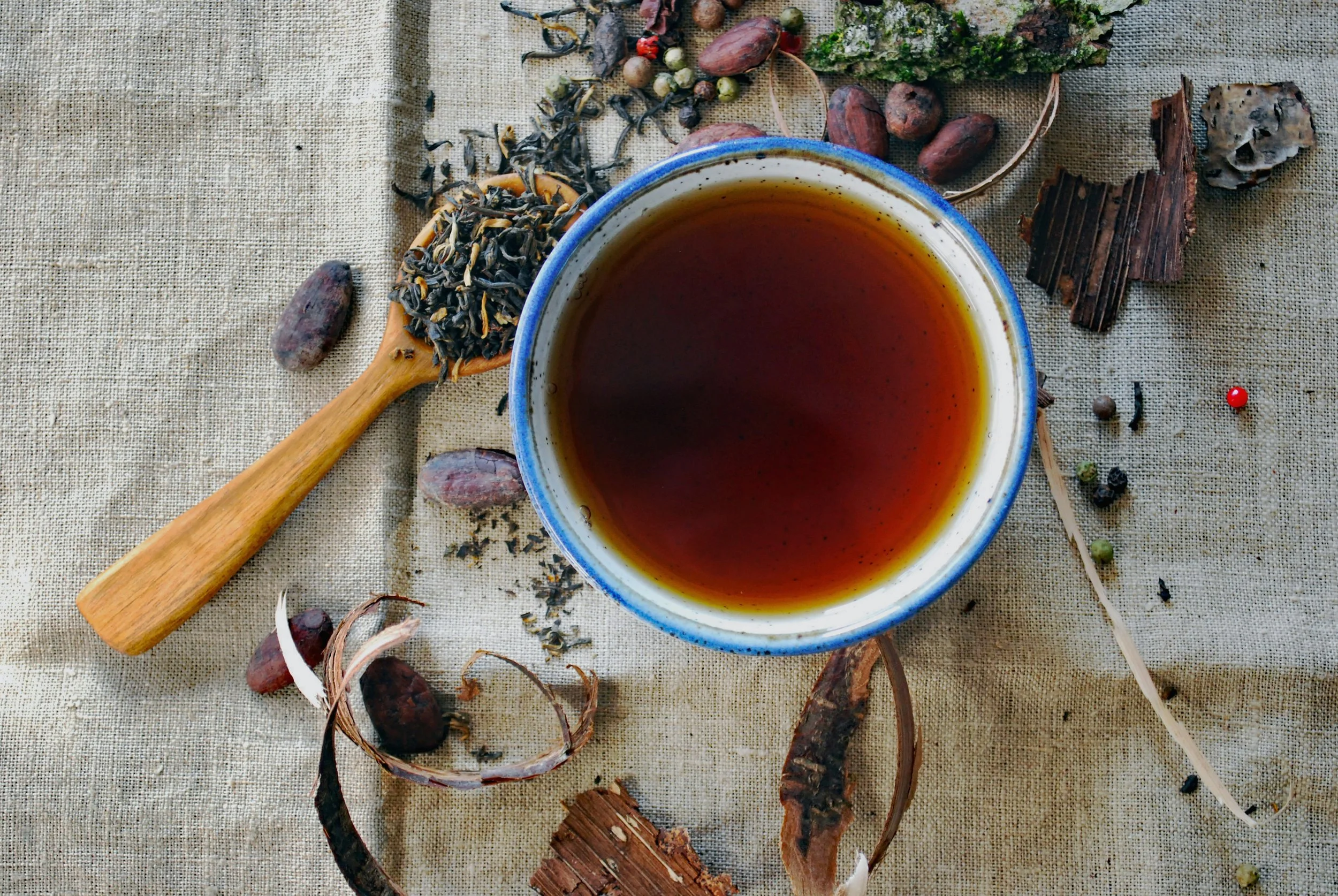
Look for clear labelling that lists ingredients, dosages, and preparation methods, and select the form that suits you best - teas, capsules, tinctures, or topical applications. Herbal tea is the perfect gentle introduction to herbal medicine: it’s accessible, safe, and easy to enjoy, and many herbs can even be grown at home.
Remember, herbal medicine is most effective when personalised, taking into account your health history, lifestyle, and any medications you may be taking. This ensures you get the maximum benefits safely.


How long does it take for herbal medicine to work?
The time it takes for herbal medicine to work depends on the herb, the health condition, and your individual body. Some herbs, like peppermint for digestive discomfort or chamomile for mild anxiety, can provide fast, noticeable relief within hours or days.
Other herbs, especially those used for long-term support, such as ashwagandha for stress, milk thistle for liver health, or hormonal-balancing herbs, may take weeks or even months to show their full benefits.
Herbal medicine works by supporting the body’s natural healing processes and addressing root causes, so consistent use and professional guidance are key for achieving the best results safely.