

Lifestyle Changes To Improve Your Health

What lifestyle advice can a naturopath give?
Lifestyle advice in naturopathy involves looking at your life holistically to support overall health and wellbeing. It’s about more than just diet or exercise.
Naturopaths consider sleep patterns, stress levels, social connection, and mental wellbeing to create personalised strategies.
By addressing multiple areas, lifestyle modifications can enhance resilience, improve energy, and support long-term health..
How can I improve my sleep naturally?
Changes like keeping a consistent bedtime, limiting screen time before bed, and ensuring your bedroom is cool, dark, and quiet can make a big difference.
Relaxation techniques such as deep breathing, meditation, or gentle stretching help calm the nervous system and prepare the body for rest.
Your daytime habits also matter. Regular exercise, balanced meals, and reducing caffeine, alcohol and nicotine in the evening all support better sleep quality.
Herbal teas like chamomile or lemon balm, along with good sleep hygiene practices, can further promote relaxation.
Since sleep issues can also be linked to stress, digestion, or hormonal changes, working with a naturopath can help uncover and address the underlying causes.


How much exercise do I need each week for optimal health?
For most adults, the Australian guidelines recommend at least 150 to 300 minutes of moderate-intensity exercise per week, such as brisk walking, cycling, or swimming.
Alternatively, you can aim for 75 to 150 minutes of vigorous activity, like running or high-intensity interval training.
Including two or more days of strength training each week is also important for building muscle, supporting metabolism, and protecting bone health.
The key is finding movement you enjoy and can maintain long term. Whether it’s walking with friends, yoga, or team sports, consistency matters more than perfection.
A naturopath can help you make actionable goals, find types of exercise you enjoy, connect you with local classes or clubs, and ensure your movement plan supports your overall health goals.
What are the benefits of deep breathing exercises?
Deep breathing exercises help calm the nervous system and reduce stress by activating the body’s relaxation response.
Regular practice can lower heart rate and blood pressure, improve oxygen flow, and ease muscle tension. Many people also notice better focus, improved mood, and more restful sleep when they make deep breathing part of their daily routine.
Beyond relaxation, deep breathing supports overall wellbeing by enhancing lung capacity and improving resilience to stress over time. Because it is simple, free, and can be done anywhere, it is an accessible tool for supporting both mental and physical health.


How does social connection impact mental health?
Strong social connections play a vital role in supporting mental health and overall wellbeing.
Feeling connected to family, friends, or community helps reduce stress, improves self-esteem, and provides a sense of belonging.
Research shows that people with positive social relationships are less likely to experience anxiety and depression, and often recover more quickly from life’s challenges.
Social interaction also supports brain health by keeping the mind active and engaged. Whether it’s joining a club, volunteering, or simply spending time with loved ones, nurturing social ties is one of the most powerful ways to boost resilience and emotional wellbeing.
In naturopathy, social health is seen as a key part of holistic care. A naturopath will consider your relationships and support networks alongside physical, mental, and emotional health, creating a plan that helps you thrive in all areas of life.
What are the best morning and evening routines for optimal health?
Naturopaths take a holistic view of your daily patterns, analysing how you go about your day and identifying opportunities to optimise your routines to improve your wellbeing.
Simple practices like starting the day mindfully, enjoying a calm breakfast, and including activities that bring you joy can set a positive tone for the day.
In the evening, slowing down with relaxing habits, limiting screens, and incorporating gentle stretching or reflection can support better sleep and recovery.
By tailoring strategies such as mindful eating, intentional breaks, and enjoyable morning or evening rituals, a naturopath can help you create routines that boost energy, reduce stress, and support overall wellbeing.

How can mindfulness and meditation improve my health?
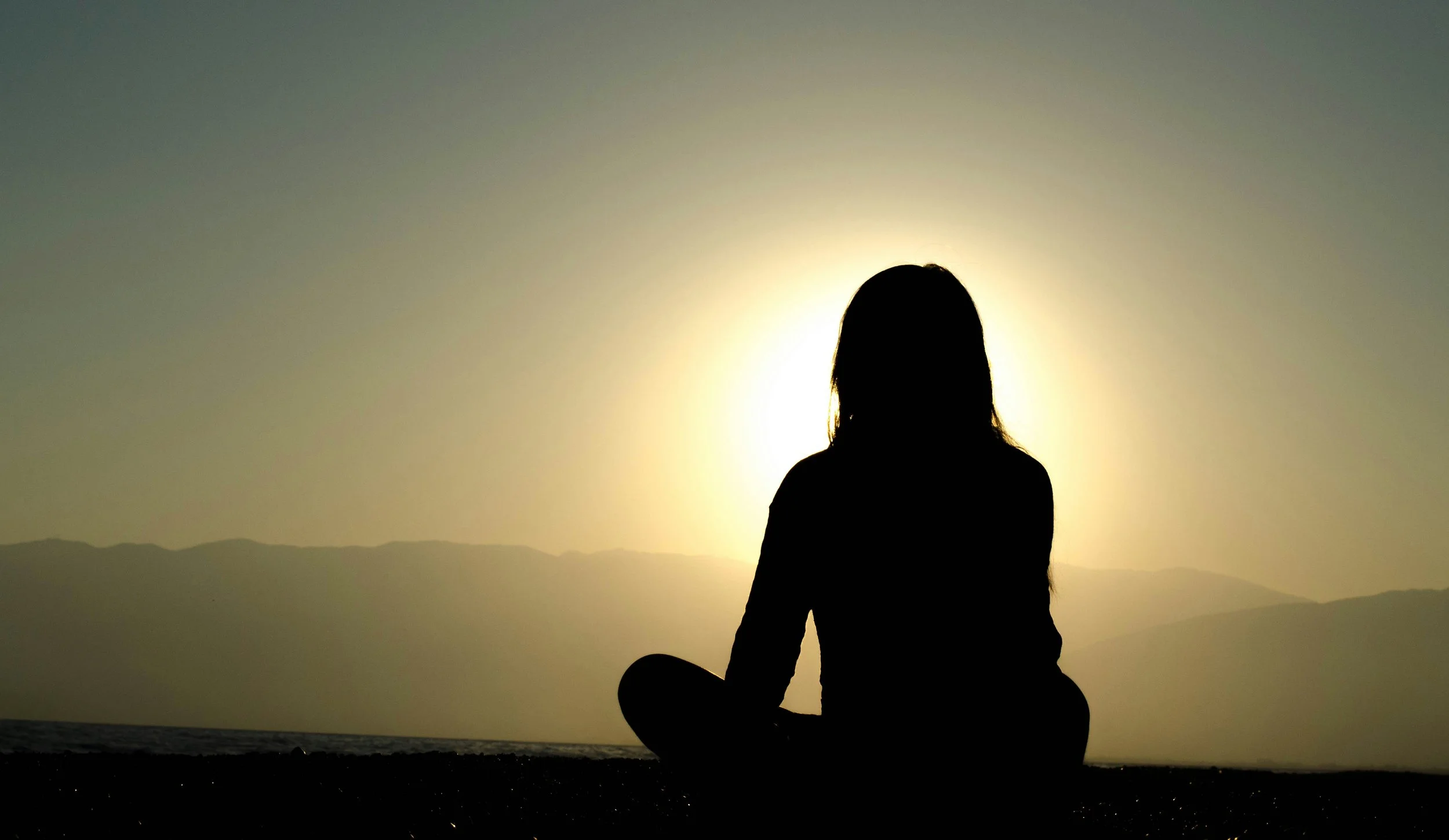
Mindfulness and meditation are powerful tools for supporting both mental and physical wellbeing.
Regular practice can help reduce stress, lower blood pressure, improve focus, and enhance emotional resilience.
By cultivating present-moment awareness, you can become more attuned to your body, your thoughts, and your emotions, which can support better decision-making and healthier habits.
In naturopathy, mindfulness is often integrated into a holistic approach, alongside sleep, nutrition, movement, and social connection.
A naturopath can guide you in creating practical meditation and mindfulness practices that fit your daily routine, helping you manage stress, boost energy, and improve overall wellbeing.