

A Beginner’s Guide To Herbal Remedies
Herbal medicine is a gift of the earth - one that belongs to everyone, just as healthcare should.
Somewhere along the way, our connection to nature and its healing wisdom has grown a little fuzzy - at risk of slipping away entirely. The beauty of herbalism lies in its quiet strength in preventative healthcare, its gentle energetic qualities, and its deep roots in tradition.
You should have access to this knowledge, which is why I’m sharing some simple herbal remedies that you can introduce into your home.
For my Aussie friends, when sourcing your herbs (if you’re not growing them yourself!), I recommend Mudbrick Cottage, Southern Light Herbs or Austral Herbs.

Calendula Infused Oil
Infused oils are medicinal oils that have been made by macerating and digesting plant material into a suitable fixed oil for a certain period of time. It’s the perfect way to extract oil-soluble constituents, which means that only particular herbs are suitable for oil infusions.
Chickweed, calendula, st john’s wort and mullein are the perfect candidates for medicinal oil infusions.
Dried herbs are easier for beginners, as the risk of rancidity is greatly reduced.
Uses:
Calendula oil is a deeply hydrating, anti-inflammatory remedy, perfect for soothing eczema, psoriasis, and dry, dull skin.
Materials:
20g dried calendula flower heads
500mL sterilised glass jar
200mL cold-pressed almond or olive oil
Brown paper bag
Muslin cloth or nylon netting
Amber glass bottle
Herb press (optional)
Method:
Using a mortar and pestle, grind the calendula flowers to a small size.
Add the calendula to your glass jar and top with your oil of choice, ensuring the plant matter is completely immersed.
Place the jar in a brown paper bag to protect it from light, and keep it in a warm place (it can be kept in the sun as long as the paper bag ensures no light penetrates).
Shake the jar multiple times a day to assist with infusing.
Infuse for at least 2 weeks, but optimally 4-6 weeks.
Strain the oil through a muslin cloth or nylon netting. You can use a herb press to get the most out of the oil, but squeezing with your hands is just fine.
Bottle your oil in an amber jar - be sure to label with the date and ingredients, and store in a cool, dark place!
How to use:
Applied topically to the skin directly, or mix into your favourite moisturiser/body butter.
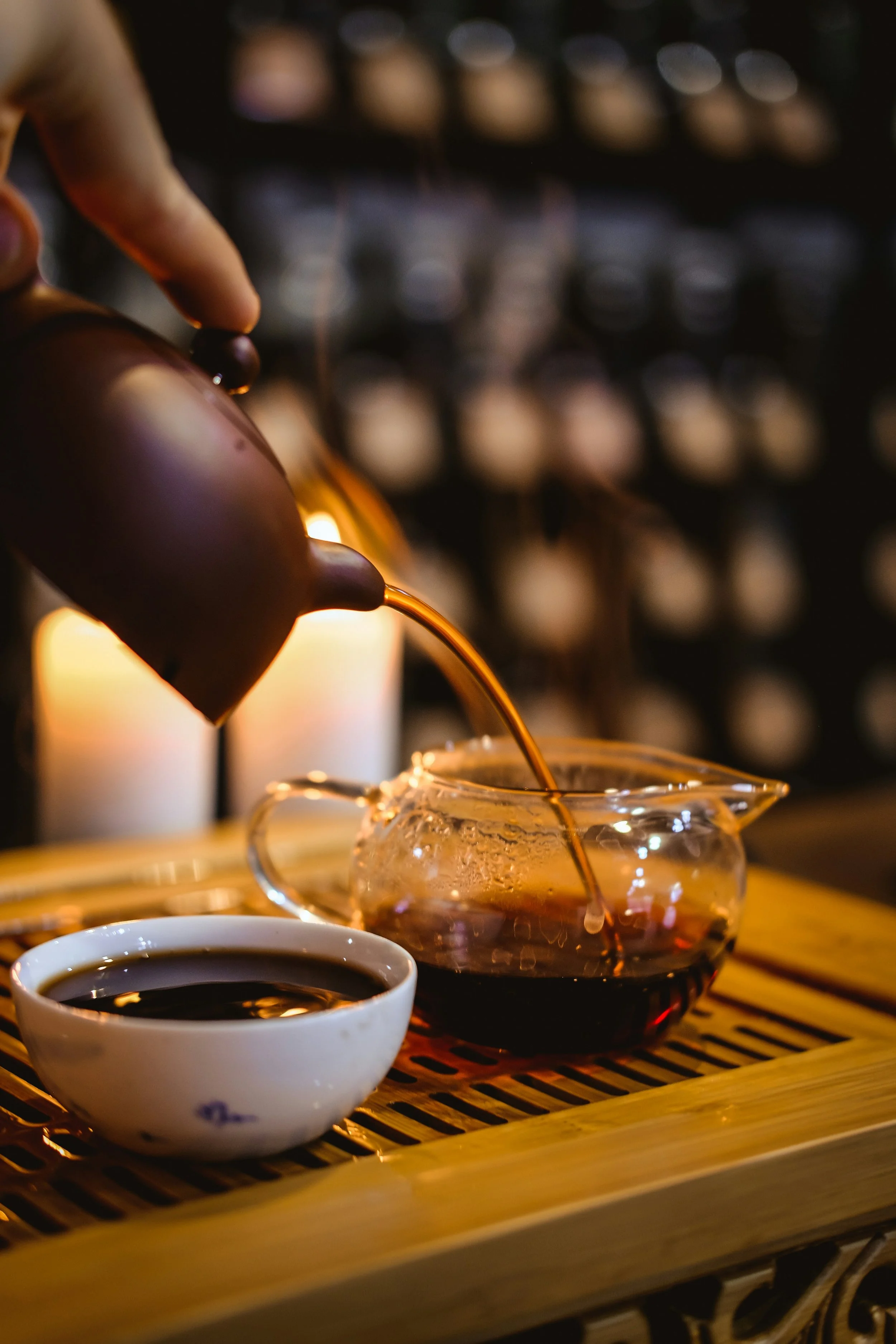
Sleepy Time Tea
Teas are one of the most accessible forms of incorporating herbal medicine into our daily lives. Most people start or end their days with a herbal infusion, so it’s a really great place to start introducing some more targeted support.
This herbal tea contains ingredients that help our mind and body unwind and prepare for a restful night’s sleep.
Ingredients:
1g dried passionflower
1g dried chamomile
1g dried skullcap (lateriflora not baicalensis!)
1g dried oat straw
0.25g dried lavender
Method:
Mix the herbs together in a small bowl.
Add them to a teapot and fill with boiling water.
Cover and steep for 10 minutes.
Strain and enjoy 1 hour before bedtime.
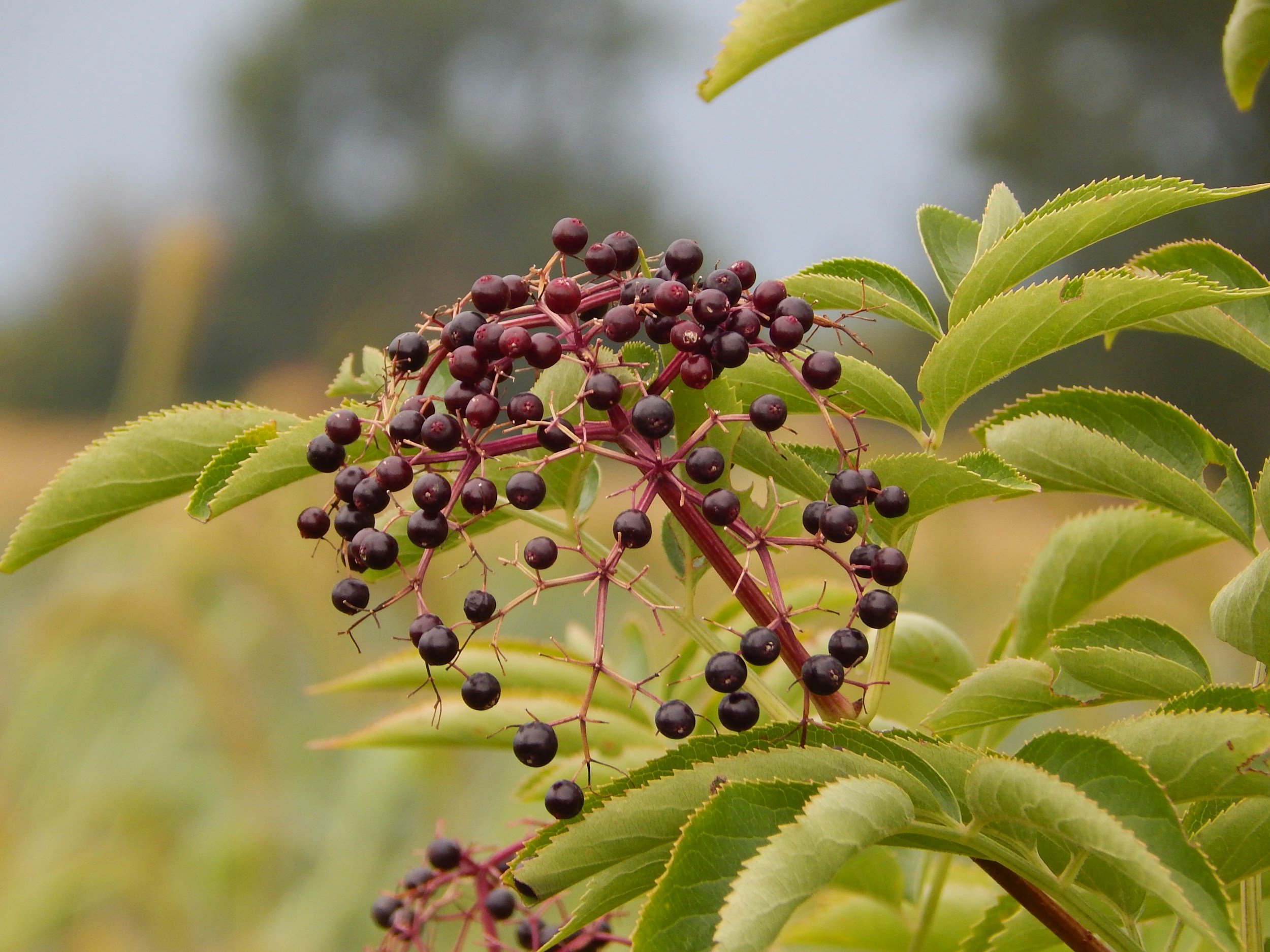
Immune-Boosting Elderberry Syrup
Syrups are a delicious yet powerful way to enjoy plant medicine. Loved by both adults and kids, syrups make it easy to get some herbal medicine magic into the little ones in your life.
Uses:
This elderberry syrup soothes sore throats and other irritated mucous membranes and provides the immune system with a little boost - making it perfect for when you first feel the beginning symptoms of the common cold.
Ingredients:
200g dried elderberries
900mL water
200g honey
muslin cloth
funnel sieve
1L measuring jug
sterilised glass bottles
Method:
Bring the elderberries and water to a boil in a small saucepan, then simmer on low for 40 minutes, stirring occasionally.
Mash the berries with the back of a wooden spoon
Strain the mixture through the strainer lined with muslin cloth, into the measuring jug. Squeeze out as much as possible.
You should be left with 560mL. You can top it up with boiling water if needed.
Let it cool to at least 35°C before mixing in the honey
Pour into sterilised glass bottles, and allow to completely cool before sealing.
Label with the date made and ingredients, then store in fridge for 1-2 months.
Dosage: 10mL for adults (5mL for children), 3 times daily.
Incorporating herbal medicine into our daily lives doesn’t have to be complicated. With simple, natural remedies like these, we can easily tap into the magic of traditional healing. Whether it's through a soothing syrup, a calming tea, or a nourishing oil, plants have the power to support our health in gentle and meaningful ways.
Let me know if you try any of these recipes, or comment below your favourite ways to incorporate herbal medicine into your daily life.
Sources and credits:
I drew from the book Herbal Manufacturing: How to Make Medicines from Plants by Jenny Adams and Eleanor Tan, as well as my herbal manufacturing notes from my bachelor’s degree, to help guide the creation of the recipes and content shared here.
Disclaimer
The content provided on this health education blog is intended for informational purposes only and should not be construed as medical advice, diagnosis, or treatment. The information shared on this platform is not a substitute for professional medical advice, examination, diagnosis, or treatment. Always seek the advice of your physician or other qualified healthcare provider with any questions you may have regarding a medical condition or treatment and before undertaking a new health care regimen.
The authors and contributors of this blog make no representations or warranties of any kind, express or implied, about the completeness, accuracy, reliability, suitability, or availability with respect to the content contained on this blog for any purpose. Any reliance you place on such information is therefore strictly at your own risk.
In no event will we be liable for any loss or damage including without limitation, indirect or consequential loss or damage, or any loss or damage whatsoever arising from loss of data or profits arising out of, or in connection with, the use of this blog.
Through this blog, you may be able to link to other websites that are not under the control of the blog’s authors. We have no control over the nature, content, and availability of those sites. The inclusion of any links does not necessarily imply a recommendation or endorse the views expressed within them.
Every effort is made to keep the blog up and running smoothly. However, the blog's authors take no responsibility for, and will not be liable for, the website being temporarily unavailable due to technical issues beyond our control.
All content on this blog is subject to change without notice.
